


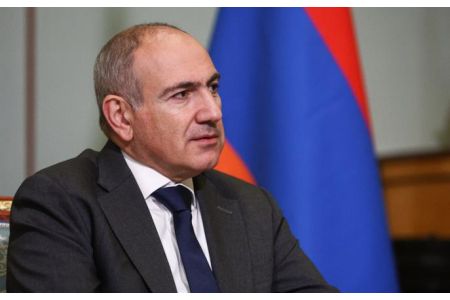
ArmInfo. A referendum on Armenia's accession to the European Union will be held when concrete details emerge, as stated by Prime Minister Nikol Pashinyan to journalists on June 7.
According to him, Armenia is currently clearly not ready for EU membership. Pashinyan believes that even if the country does not join the EU, it will still benefit by aligning itself with European standards.
Regarding the Eurasian Economic Union, the Prime Minister reiterated that the country cannot be stripped of its EAEU membership status, given that all decisions within the union are made by consensus. Against this backdrop, Pashinyan views the restrictions imposed by Russia on the supply of agricultural products as "routine matters."
"Dozens of issues related to phytosanitary regulations, exports, the re-export of goods, and their origin are discussed at every meeting of the Supreme Eurasian Economic Council," said the head of the Armenian government. He added that instead of fostering a positive perception of the EAEU in Armenia, partners within the bloc are doing everything to diminish that perception. Nevertheless, as noted by the head of the Armenian cabinet, Yerevan will adhere to a balanced foreign policy in its relations with both Russia and the EU.
Recall, on May 29, the leaders of Russia, Belarus, Kazakhstan, and Kyrgyzstan issued a joint statement, calling on Yerevan to clarify its geopolitical priorities. They called for a referendum in Armenia on whether to join the EU or remain in the Eurasian Economic Union. The document was presented to Armenian Deputy Prime Minister Mher Grigoryan on the sidelines of the Astana summit. The four countries believe it is essential for the Armenian people to determine their own foreign policy course and choose between the European Union and the Eurasian Economic Union. Furthermore, a possible mechanism for suspending the Treaty on the Eurasian Economic Union for Yerevan will be discussed by December 2026. At the same time, restrictions have been imposed on the import of virtually all agricultural products produced in Armenia into Russia.
















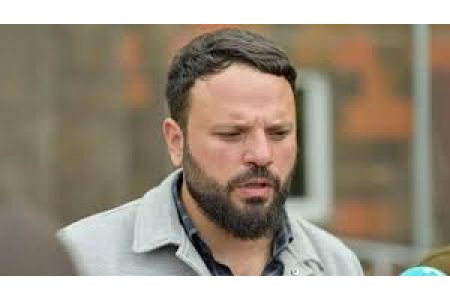 Lawyer: according to preliminary results, Pashinyan`s party lacks 2/3 majority necessary to amend Armenia`s Constitution
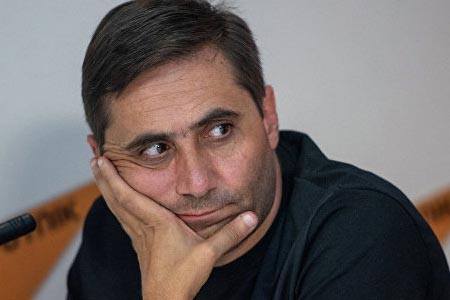 Politician: With high voter turnout, current government to no chance
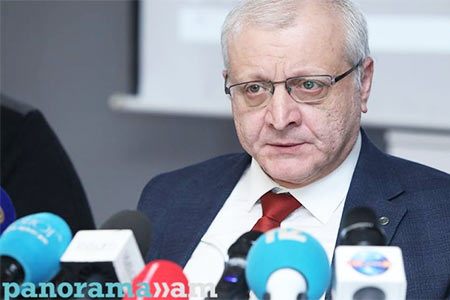 Political analyst: Relatively high turnout indicates that Armenian citizens are actively and consciously shaping the country`s future
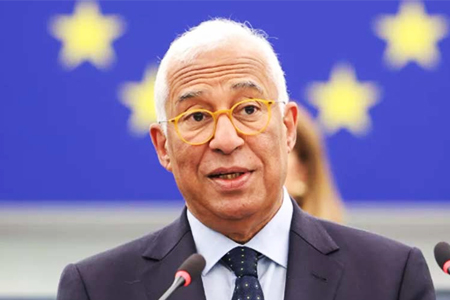 Antonio Costa: EU to deepen its partnership with Armenia, expanding cooperation in energy, trade, and digitalization
 Israeli MFA congratulates Pashinyan
 Turkish MFA comments on results of Armenian elections
  Zakharova: International observers cannot ignore `flagrant violations` in Armenian elections
 Strong Armenia to issue statement after vote count completed - Narek Karapetyan
 Russian Senator: Opposition complaints regarding election violations by ruling party remain unanswered
 RA premier receiving congratulations on his victory in parliamentary elections
 Head of IPA CIS Council Secretariat: Extremely difficult atmosphere during parliamentary elections campaign in Armenia accompanied by mass arrests
 Pashinyan`s party leads with 51.13% based on vote counts from 533 polling stations
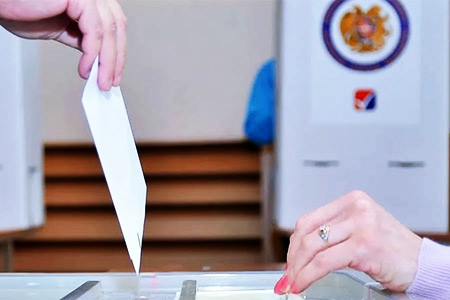 Voting in parliamentary elections in Armenia ends
  Strong Armenia: Administrative Court not providing judicial decisions to citizens wishing to vote in parliamentary elections