
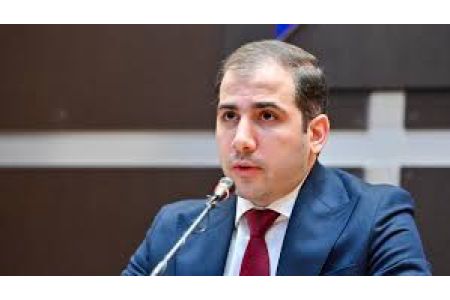
ArmInfo. There is no political element in the case involving Gagik Tsarukyan, the leader of the Prosperous Armenia Party (PAP), as stated by Eduard Hakobyan, Chairman of the State Revenue Committee (SRC), to reporters at the Armenian parliament on June 11.
As the SRC Chairman clarified, the case concerns tax evasion in the diesel fuel import sector. He assured that the criminal case regarding this matter had been initiated a long time ago. Hakobyan disagreed with the opposition's view that the case carries political undertones, despite being brought forward immediately following the June 7 parliamentary elections in Armenia.
"I do not believe this is a targeted coincidence. However, our colleagues from the Investigative Committee (IC) of Armenia will be able to provide more detailed comments on this matter, as it currently falls under their jurisdiction. Any further clarifications regarding this case should be directed to the IC," Hakobyan stated.
The SRC Chairman also sought to justify Prime Minister Nikol Pashinyan's campaign rhetoric regarding Tsarukyan. When asked whether there was a direct link between the Prime Minister's statements about "the need to imprison the three-headed party of war" and the legal proceedings against the PAP leader, Hakobyan asserted that if Pashinyan makes a statement, it means he is well-informed about the ongoing processes.
"If the Prime Minister speaks about this, it means he knows something. Therefore, I view such statements as natural. Moreover, both we and the Investigative Committee periodically issue public disclosures of this nature. That is to say, we routinely highlight issues within the business sector or report on cases involving the shadow economy. This is simply one of those cases, and it is obvious that the Prime Minister is aware of them. I believe he is fully entitled to make such statements if the need arises," the SRC Chairman noted.
At the same time, Hakobyan maintained that his agency reviews the activities of economic entities strictly through the lens of legal compliance, rather than focusing on any specific individual. "It is simply obvious that if a person is connected to these processes—for instance, as a director or an owner—they are directly or indirectly involved. Our focus remains on the entities. Therefore, there is no political element here; we are simply managing risks," Hakobyan concluded.






 Expert: The arrest of opposition figures in Armenia for social media posts is a systematic attempt to intimidate the public and suppress dissent.
 Azerbaijani Studies Expert: While Azerbaijan Prepares Its Generation for War, Aliyev’s Aide Calls on Armenia to Prepare Armenian Society for “Peace”
 Turkologist: Azerbaijan will never, under any circumstances, stop pressuring the Armenian people
 Political scientist: We need to move away from the question of "when" and replace it with more important questions
 International Law Specialist: Azerbaijan intends to initiate legal proceedings against Armenia by sentencing Armenian prisoners
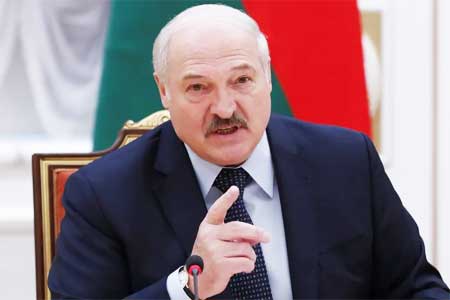 Lukashenko called for Armenia to assume the CIS presidency in 2029
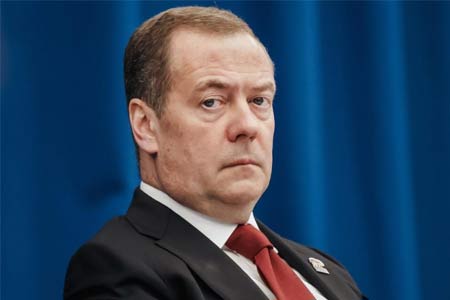 Dmitry Medvedev predicted a Ukrainian-like fate for Armenia amid the country`s shift in foreign policy
 Russian Security Council: In Armenia, they want to force Russian asset owners to dispose of their assets
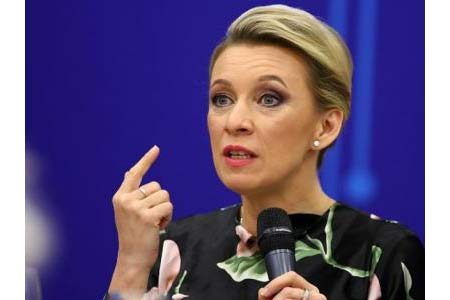 Zakharova: Russia ready to discuss with Armenia the prospects for expanding military cooperation as part of a review of bilateral ties
 Tevanyan: Armenia, like Ukraine and Moldova, is being drawn into the EU’s global war
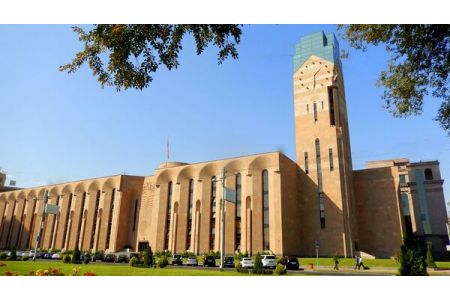 Yerevan City Hall is considering introducing a valet parking system in the city
 Expert: The circus surrounding the “Albanization” of Armenian culture in the presence of foreign ambassadors in occupied Artsakh is genocide
 Political scientist: If Russian-Armenian relations are destroyed, Turkey will take Russia`s place
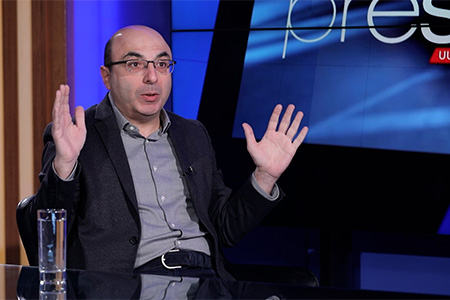 Political scientist: The Armenian public is simply obliged to significantly change the entire content of public discourse and struggle
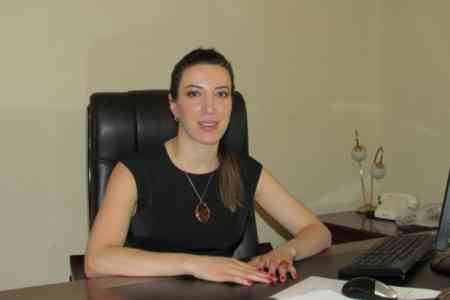 Cross tattoos are being removed from the skin of Christian prisoners in Azerbaijan by fire, according to a human rights activist.
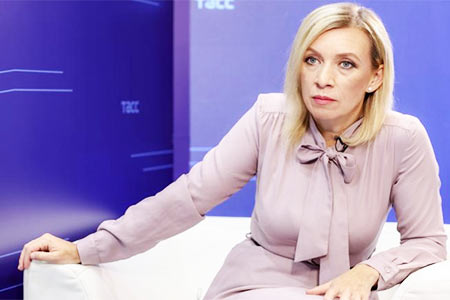 Zakharova: Armenia`s likely introduction of visas with Russia will be a step against Yerevan itself
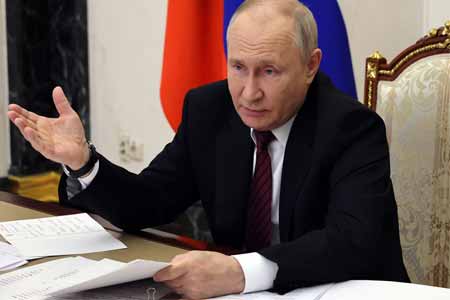 Putin: Armenia`s recognition of Karabakh as part of Azerbaijan in Prague has given Russia`s position on this issue an ambivalent character
 Putin: Armenia`s adoption of the law on EU accession means an announcement of its withdrawal from the Eurasian Economic Union
 Aram Vardevanyan: Public demands solutions, not apology scandals in Parliament