
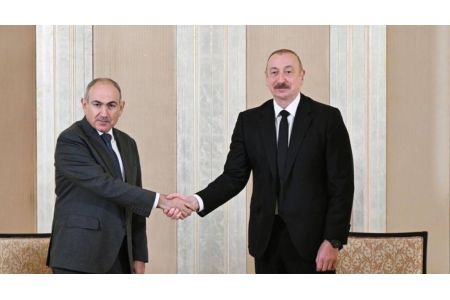
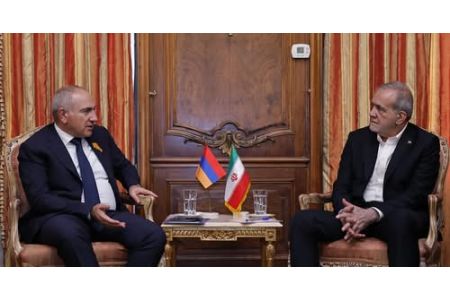
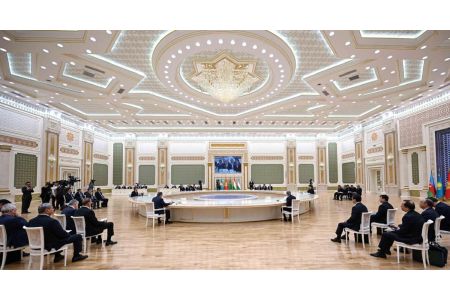
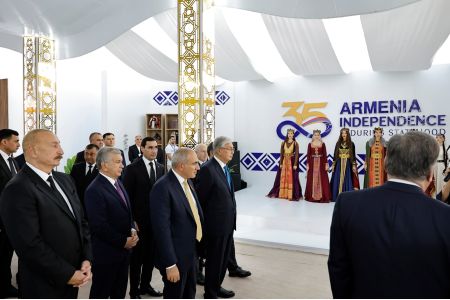
ArmInfo. On August 31, 2026, Prime Minister of the Republic of Armenia Nikol Pashinyan met with President of the Republic of Azerbaijan Ilham Aliyev in Bishkek on the sidelines of the Shanghai Cooperation Organization (SCO) summit.
According to the government press service, the leaders of the two states emphasized the historic significance of the peace summit held in Washington on August 8, 2025, the joint declaration signed by Prime Minister Nikol Pashinyan and President Ilham Aliyev in the presence of US President Donald Trump, and the signing of the Agreement on the Establishment of Peace and Interstate Relations between the Republic of Armenia and the Republic of Azerbaijan.
The export of Azerbaijani petroleum products to Armenia, the transit of grain and other goods from third countries through Azerbaijan to Armenia, and the establishment of trade relations between the two countries were noted as important practical manifestations of strengthening peace. The leaders also welcomed contacts between business circles and exchanged views on opportunities to further expand mutually beneficial economic, trade, and energy cooperation.
The parties noted the important role of the relevant state commissions for demarcating the state border between Armenia and Azerbaijan and emphasized the importance of continuing their work in accordance with the agreements reached between the two countries.
The leaders discussed further practical steps related to the implementation of one of the important outcomes of the Washington Peace Summit-the Trump Initiative for International Peace and Prosperity (TRIPP)- and emphasized the importance of projects to develop transport infrastructure within the TRIPP framework.
The heads of state commended confidence-building contacts involving parliamentarians and civil society representatives, noting their importance in strengthening mutual trust and supporting a broader peace agenda.
Prime Minister Nikol Pashinyan and President Ilham Aliyev agreed to continue steps aimed at strengthening lasting peace, normalizing interstate relations, and developing transport infrastructure through direct bilateral contacts.










 Expert: The arrest of opposition figures in Armenia for social media posts is a systematic attempt to intimidate the public and suppress dissent.
 Azerbaijani Studies Expert: While Azerbaijan Prepares Its Generation for War, Aliyev’s Aide Calls on Armenia to Prepare Armenian Society for “Peace”
 Turkologist: Azerbaijan will never, under any circumstances, stop pressuring the Armenian people
 Political scientist: We need to move away from the question of "when" and replace it with more important questions
 International Law Specialist: Azerbaijan intends to initiate legal proceedings against Armenia by sentencing Armenian prisoners
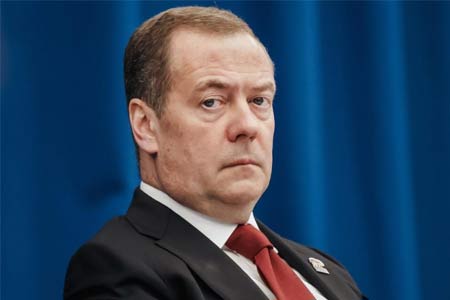 Dmitry Medvedev predicted a Ukrainian-like fate for Armenia amid the country`s shift in foreign policy
 Russian Security Council: In Armenia, they want to force Russian asset owners to dispose of their assets
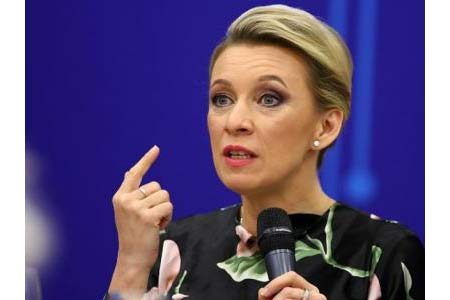 Zakharova: Russia ready to discuss with Armenia the prospects for expanding military cooperation as part of a review of bilateral ties
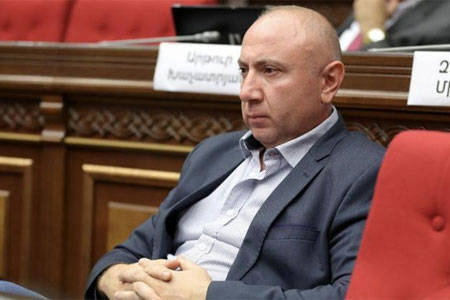 Tevanyan: Armenia, like Ukraine and Moldova, is being drawn into the EU’s global war
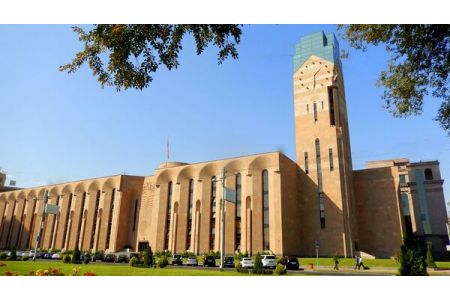 Yerevan City Hall is considering introducing a valet parking system in the city
 Expert: The circus surrounding the “Albanization” of Armenian culture in the presence of foreign ambassadors in occupied Artsakh is genocide
 Political scientist: If Russian-Armenian relations are destroyed, Turkey will take Russia`s place
 Political scientist: The Armenian public is simply obliged to significantly change the entire content of public discourse and struggle
 Cross tattoos are being removed from the skin of Christian prisoners in Azerbaijan by fire, according to a human rights activist.
 Zakharova: Armenia`s likely introduction of visas with Russia will be a step against Yerevan itself
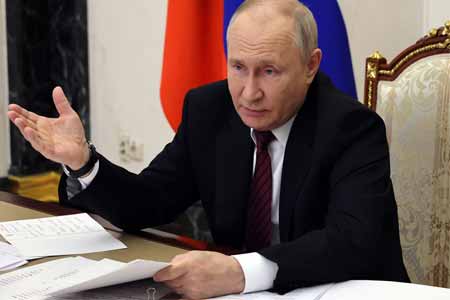 Putin: Armenia`s recognition of Karabakh as part of Azerbaijan in Prague has given Russia`s position on this issue an ambivalent character
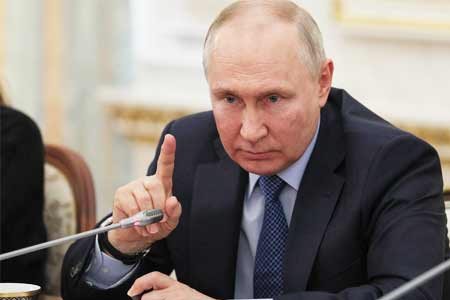 Putin: Armenia`s adoption of the law on EU accession means an announcement of its withdrawal from the Eurasian Economic Union