

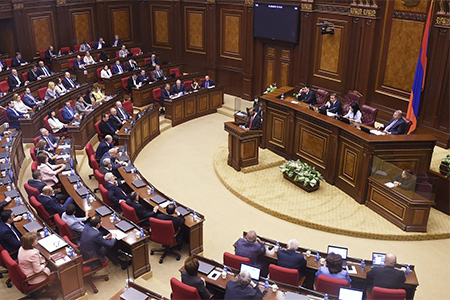
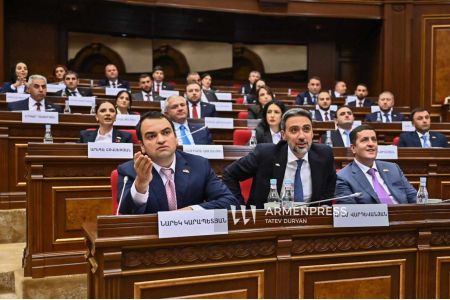
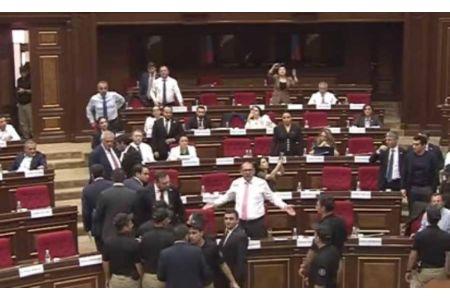
ArmInfo. Only two issues are included in the agenda of the plenary session of the National Assembly of the Republic of Armenia opening on October 6. The corresponding decision was made at a meeting of the National Assembly chaired by Parliament Speaker Ruben Rubinyan the day before.
Among the issues discussed will be amendments to the law "On Holidays and Memorable Dates," as well as determining the size of the parliamentary investigative committee to investigate the failure of the Armenian Apostolic Church to fulfill its exclusive mission in the spiritual life of the Armenian people, the development of its national culture, and the preservation of national identity as a result of the crisis in the Church following the actions of several AAC clergy.
Given the importance of the issue, it is safe to assume that the discussions will be heated and will last for more than one day.
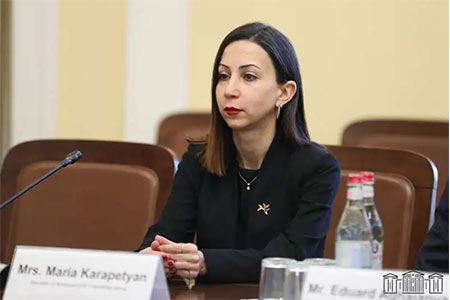
The Council meeting also approved the composition of the friendship groups of the ninth convocation of the National Assembly of the Republic of Armenia.
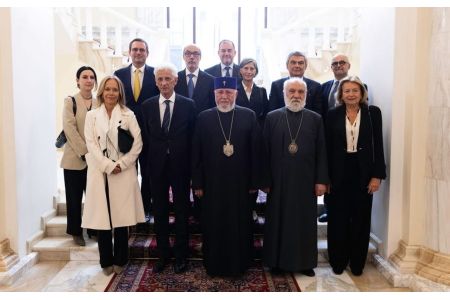
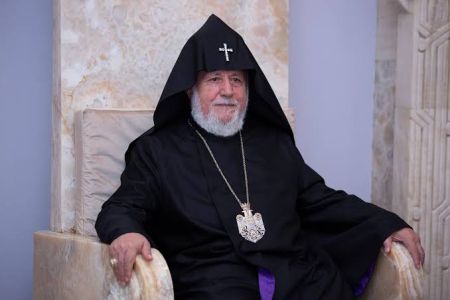
It should be noted that relations between the Armenian authorities and the AAC are in a state of deep and open political confrontation, which has sharply escalated. in 2024-2026. RA Prime Minister Nikol Pashinyan and the ruling party accuse the church leadership and Catholicos of All Armenians Garegin II personally of interfering in politics, deviating from the canons, and attempting to destabilize the situation in the country (including supporting anti-government protests). At the end of September 2026, the Prime Minister's Office published an official report on the "crisis in the Armenian Apostolic Church," containing accusations against the senior clergy and a reform plan that calls for replacing the Catholicos and adopting a new church charter.
In October 2026, the Armenian parliament, on the initiative of the ruling Civil Contract faction, created a special investigative commission to study the situation in the Church and develop legislative changes aimed at "stopping the takeover of the Church."
The parliamentary opposition refused to participate in the commission's work.
The Mother See of Holy Etchmiadzin called the government's initiatives and report illegal, unconstitutional, and gross pressure on an autonomous religious organization. The Church insists that the state has no right to interfere in internal affairs and decide on the replacement of the Catholicos.





 Azerbaijani Studies Expert: While Azerbaijan Prepares Its Generation for War, Aliyev’s Aide Calls on Armenia to Prepare Armenian Society for “Peace”
 Turkologist: Azerbaijan will never, under any circumstances, stop pressuring the Armenian people
 Political scientist: We need to move away from the question of "when" and replace it with more important questions
 International Law Specialist: Azerbaijan intends to initiate legal proceedings against Armenia by sentencing Armenian prisoners
 Dmitry Medvedev predicted a Ukrainian-like fate for Armenia amid the country`s shift in foreign policy
 Russian Security Council: In Armenia, they want to force Russian asset owners to dispose of their assets
 Zakharova: Russia ready to discuss with Armenia the prospects for expanding military cooperation as part of a review of bilateral ties
 Tevanyan: Armenia, like Ukraine and Moldova, is being drawn into the EU’s global war
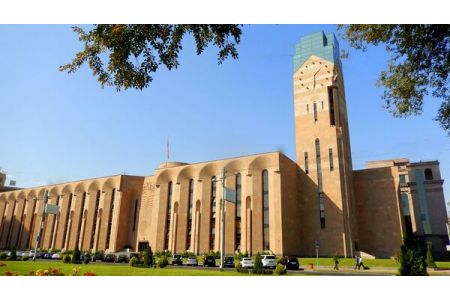 Yerevan City Hall is considering introducing a valet parking system in the city
 Expert: The circus surrounding the “Albanization” of Armenian culture in the presence of foreign ambassadors in occupied Artsakh is genocide
 Political scientist: If Russian-Armenian relations are destroyed, Turkey will take Russia`s place
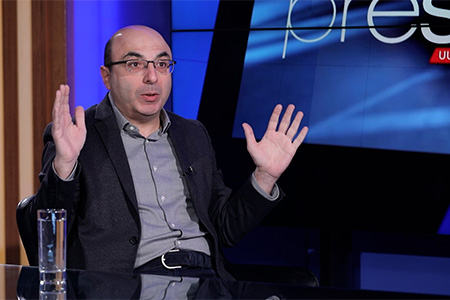 Political scientist: The Armenian public is simply obliged to significantly change the entire content of public discourse and struggle
 Cross tattoos are being removed from the skin of Christian prisoners in Azerbaijan by fire, according to a human rights activist.
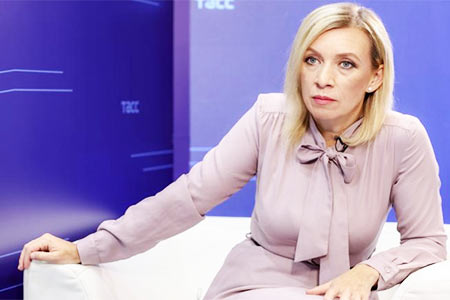 Zakharova: Armenia`s likely introduction of visas with Russia will be a step against Yerevan itself
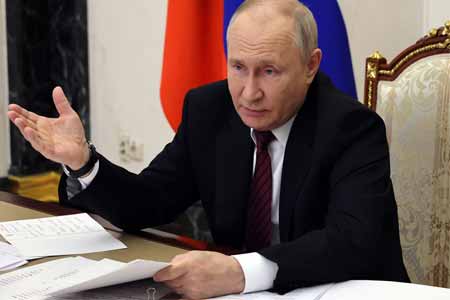 Putin: Armenia`s recognition of Karabakh as part of Azerbaijan in Prague has given Russia`s position on this issue an ambivalent character
 Putin: Armenia`s adoption of the law on EU accession means an announcement of its withdrawal from the Eurasian Economic Union
 Aram Vardevanyan: Public demands solutions, not apology scandals in Parliament
 Arrested Armenian oligarch on economy and new jobs