




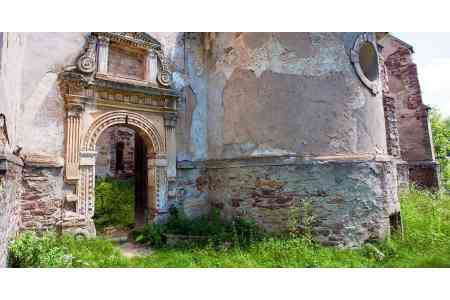
ArmInfo. A unique 17th-century Armenian monument has been discovered in the village of Yazlovets (Ternopil Oblast, Ukraine). According to the Headquarters of the Union of Armenians of Ukraine, this is an Armenian well, built in 1611.
From the outside, it appears to be an ordinary spring with a stone wall and cast-iron pipe, but underneath lies a complex hydraulic structure created by 17th-century Armenian craftsmen.
Water from the spring initially flows into an underground reservoir and then emerges. A carved stone slab with inscriptions in Latin and Armenian remains on the wall:
"The Armenian Hakob built this in 1611 for the benefit of society. This cross and the spring are the work of Hakob and his brother Stepan. Abraham, a master mason, executed it with devotion."
The top of the slab is decorated with an eagle with outstretched wings, beneath which is a cross with a stunning floral design.
"This monument is striking not only for its age, but also for its craftsmanship. Researchers suggest that the Armenian artisans of Yazlovets also decorated the local Church of the Assumption of the Blessed Virgin Mary and the gates of the old castle with their carvings."

























 Political Scientist: As long as the opposition remains silent, Pashinyan can use Plan B and secure a constitutional majority
 US-Iranian memorandum more beneficial for Iran from political and economic perspective - expert
  Political analyst: While Pashinyan pledges peace with Azerbaijan, Baku continues promoting the "Western Azerbaijan" project
 Political analyst: In light of new realities, Yerevan may propose advancing peace process with Baku without constitutional referendum
 Present-day geopolitical competition shifts from territorial control to infrastructure flows
 Zakharova: Russia sent a note of protest to Armenia over the act of vandalism at the "Mother Armenia" memorial in Gyumri
 Samvel Karapetyan proposes creating a post-election opposition coalition
 Artsakh`s Cultural Heritage Ombudsman called on Moscow to respond to destruction of WWII monuments by Azerbaijan in occupied NKR
 Prosecutor General`s Office petitions Central Electoral Commission for criminal prosecution of Robert Kocharyan
 Dutch Prime Minister expresses his support for Armenia`s democratic reform and economic diversification agenda
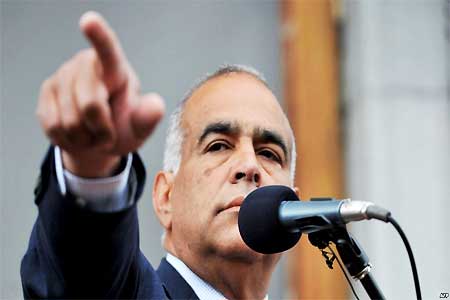 Heritage: It`s time for Armenia`s opposition to present people with legitimate alternative to power
 RA Security Council Sec, Assistant to President of Azerbaijan hold negotiations in Dilijan
 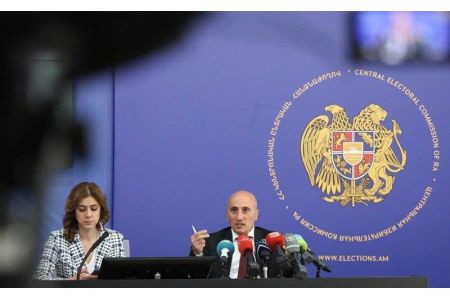 CEC Neutralizes PAP: Three Political Forces to Enter Armenian Parliament Following Election Vote
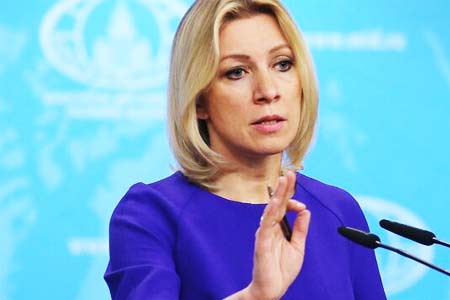 Elections in Armenia were accompanied by unprecedented pressure on opposition, RF MFA spokesperson claims
 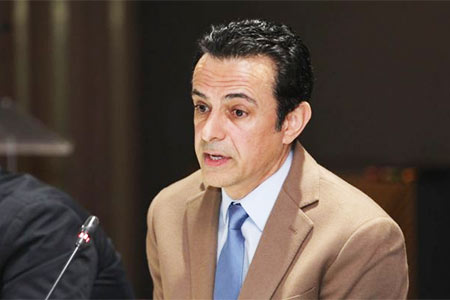 Expert: Even OSCE observers recorded numerous violations during elections in Armenia
  Moscow to await official results of Armenian elections - Peskov
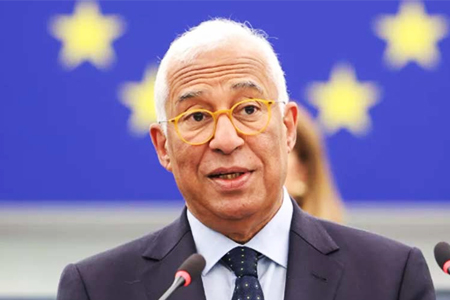 Antonio Costa: EU to deepen its partnership with Armenia, expanding cooperation in energy, trade, and digitalization
 Israeli MFA congratulates Pashinyan
 Turkish MFA comments on results of Armenian elections
 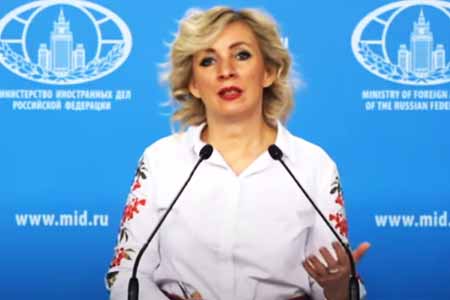 Zakharova: International observers cannot ignore `flagrant violations` in Armenian elections